
The grant will fund the new doctoral network MINARET. The researchers will study how constitutional change unfolds in Muslim-majority societies shaped by imperial legacies.
The project will focus on how Islamic values, legal traditions, and governance structures interact to shape legitimacy, citizenship, and security.
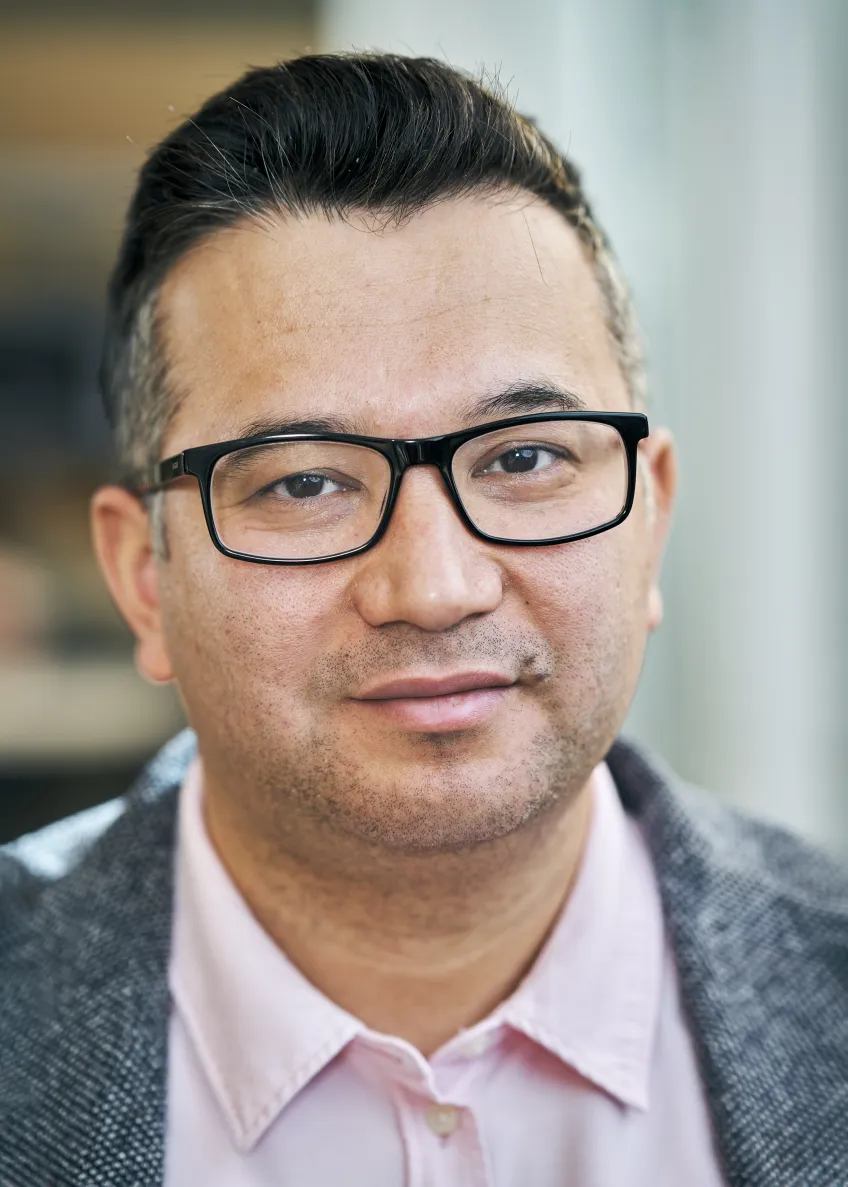
“By moving beyond rigid divides between secular and religious law, we will seek to identify how hybrid legal frameworks can strengthen democratic practices, enhance trust in institutions, and reduce reliance on coercive state power,” says project leader Rustamjon Urinboyev, who submitted the grant application.
Increased knowledge about law and religion
A global consortium of civil society groups, state agencies, and businesses backs the doctoral network. Partners are based in Europe and across Muslim-majority regions in Central Asia, the Middle East, North Africa, and Southeast Asia. These organisations will support the PhD candidates in conducting fieldwork and cross-regional comparisons.
The findings will be translated into policy reports, workshops, and recommendations for international organisations, policymakers, and practitioners.
“Promoting democratisation and good governance in post-imperial Muslim-majority societies requires deep, context-sensitive knowledge of how law and religion interact,” Urinboyev says. “This programme will provide that knowledge and help bridge research and policy.”
The EU grant follows a similar success in 2025, when Urinboyev secured €5.5 million for a PhD programme on law and governance in authoritarian countries.
The project, MINARET – “A Sociology of Post-Imperial Islamic Legal Cultures: Insights from Central Asia, the Middle East, North Africa, and Southeast Asia” – was selected under the European Commission’s Marie Skłodowska-Curie Actions programme. It will run for four years and is Urinboyev’s fifth project funded under the EU’s research and innovation funding programme Horizon Europe.